
Land value is a multifaceted concept that encompasses the worth of a parcel of land based on various intrinsic and extrinsic factors. At its core, land value is determined by the potential uses of the land, its location, and the demand for those uses. Unlike other assets, land is finite; its supply cannot be increased, which inherently adds to its value.
The economic principle of scarcity plays a significant role in determining land value, as areas with limited available land often see higher prices due to increased competition among buyers. Moreover, land value is not static; it fluctuates over time due to changes in market conditions, zoning laws, and community development. For instance, a piece of land that was once considered undesirable may gain value as infrastructure improvements are made or as the surrounding area becomes more developed.
Understanding land value requires a comprehensive analysis of these dynamics, as well as an awareness of how local economies function and evolve. This understanding is crucial for investors, developers, and policymakers alike, as it informs decisions that can lead to profitable outcomes or sustainable community development.
Factors Affecting Land Value
Physical Characteristics
The topography of the land is one of the most significant physical attributes affecting land value. Flat, easily accessible land is generally more desirable than hilly or uneven terrain, which can complicate construction and development. Additionally, soil quality and drainage capabilities can affect agricultural land values significantly; fertile soil can command higher prices due to its potential for crop production.
Economic Factors
Economic factors also play a critical role in determining land value. The local economy’s health, employment rates, and population growth can all impact demand for land. For example, in regions experiencing rapid population growth due to job creation in technology or manufacturing sectors, land values may rise sharply as more individuals seek housing and commercial opportunities.
Government Policies and Zoning Regulations
Government policies such as tax incentives or zoning regulations can either enhance or diminish land value. Areas designated for commercial use may see increased demand and higher prices compared to those zoned for agricultural use, reflecting the potential for higher returns on investment.
Strategies for Increasing Land Value
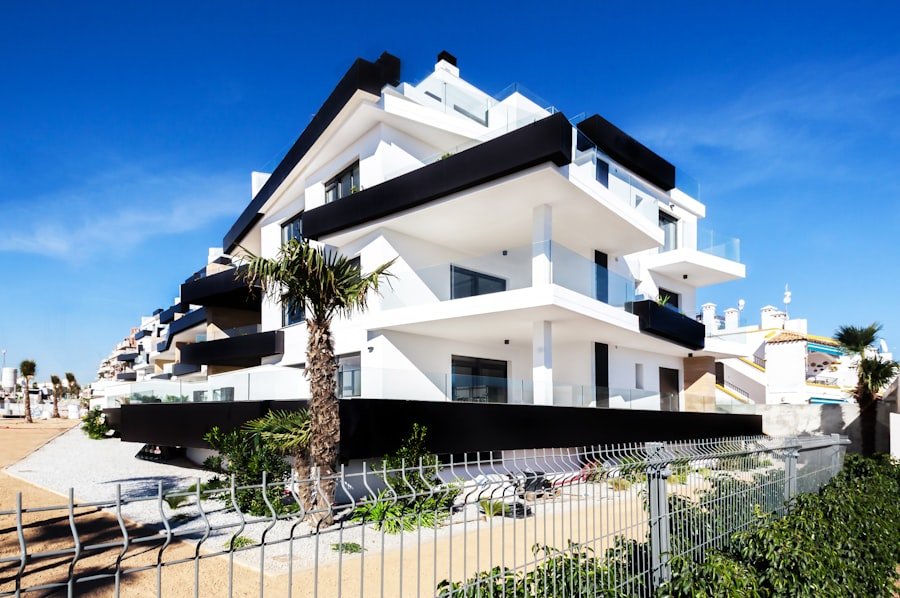
Increasing land value often requires strategic planning and investment. One effective approach is to enhance the land’s usability through improvements such as infrastructure development. This could involve building roads, utilities, or public transportation access that makes the land more attractive to potential buyers or developers.
For instance, a previously isolated parcel of land may see a significant increase in value once a new highway is constructed nearby, facilitating easier access. Another strategy involves obtaining necessary zoning changes or permits that allow for more lucrative uses of the land. For example, converting agricultural land into residential or commercial zones can dramatically increase its market value.
Engaging with local government and community stakeholders to advocate for such changes can be a vital step in this process. Additionally, investing in landscaping or environmental enhancements can improve the aesthetic appeal of the property, making it more attractive to buyers and increasing its overall value.
The Role of Location in Land Value
Location is often cited as one of the most critical determinants of land value. The adage “location, location, location” underscores the importance of geographic positioning in real estate valuation. Proximity to urban centers, amenities such as schools and shopping districts, and natural features like parks or waterfronts can significantly enhance a property’s desirability.
For instance, residential properties located near high-quality schools often command higher prices due to the perceived value of education. Furthermore, location impacts not only residential but also commercial land values. Businesses typically seek locations with high foot traffic and visibility to maximize their customer base.
A retail store situated in a bustling downtown area will likely have a higher land value compared to one located in a remote suburb with limited access to potential customers. Additionally, emerging trends such as remote work may shift demand patterns; areas that were once considered secondary may gain popularity as people seek larger living spaces away from crowded urban environments.
Maximizing Land Value through Development
Development plays a pivotal role in maximizing land value. By transforming raw land into productive use—whether through residential housing, commercial buildings, or mixed-use developments—owners can significantly increase their investment returns. Successful development requires careful planning and consideration of market demands.
Conducting thorough market research to identify what types of properties are in demand can guide developers in making informed decisions about their projects. Moreover, sustainable development practices are increasingly becoming essential in maximizing land value. Properties that incorporate green building practices or energy-efficient designs not only appeal to environmentally conscious buyers but also often qualify for tax incentives or grants that can offset development costs.
For example, a mixed-use development that includes green spaces and energy-efficient buildings may attract higher rents and sales prices compared to traditional developments lacking these features.
Sustainable Practices for Enhancing Land Value
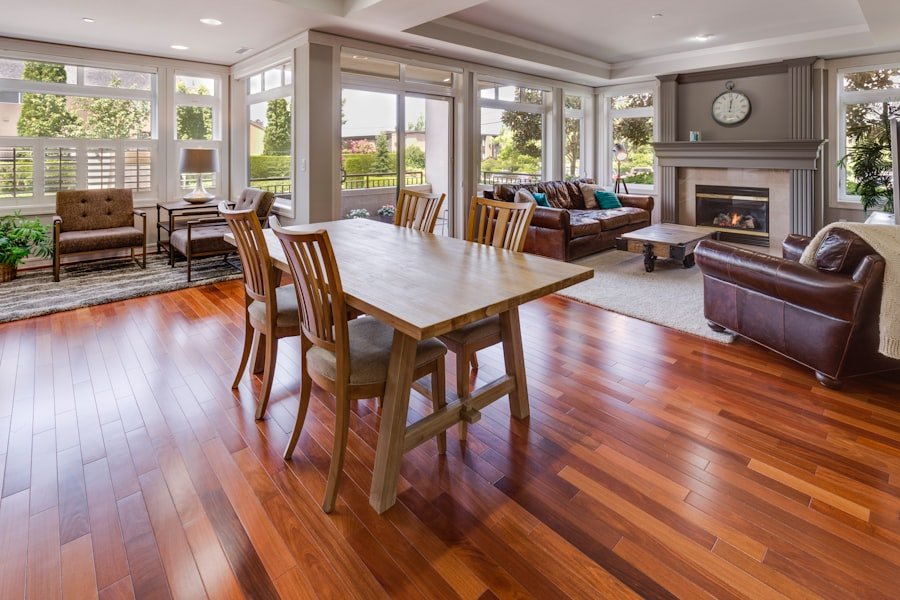
Sustainability has emerged as a key consideration in enhancing land value. As awareness of environmental issues grows, properties that prioritize sustainable practices are becoming more desirable among buyers and investors alike. Implementing eco-friendly practices such as rainwater harvesting systems, solar energy installations, and native landscaping can significantly enhance a property’s appeal while also reducing operational costs.
Additionally, sustainable practices can lead to long-term financial benefits by increasing resilience against climate change impacts. Properties designed with sustainability in mind are often better equipped to handle extreme weather events, which can protect their value over time. For instance, developments that incorporate flood-resistant designs or energy-efficient systems may not only attract environmentally conscious buyers but also maintain their market value even during economic downturns.
Financial Benefits of Increasing Land Value
The financial benefits of increasing land value are manifold and can have significant implications for property owners and investors. Higher land values translate directly into increased equity for property owners, providing them with greater financial leverage for future investments or developments. This equity can be tapped into through refinancing or selling the property at a profit.
Moreover, increased land values can lead to higher rental income for landlords and developers. As demand for desirable locations rises, so too does the potential for rental price increases. This dynamic creates a positive feedback loop where rising rents contribute to further increases in property values.
Additionally, municipalities benefit from increased property taxes associated with higher land values, which can be reinvested into community services and infrastructure improvements.
Future Trends in Land Value Optimization
Looking ahead, several trends are poised to shape the landscape of land value optimization. One notable trend is the increasing integration of technology in real estate transactions and property management. Innovations such as blockchain technology are beginning to streamline processes related to property sales and ownership transfers, potentially increasing market efficiency and transparency.
Another trend is the growing emphasis on mixed-use developments that combine residential, commercial, and recreational spaces within a single project. This approach not only maximizes land use but also fosters vibrant communities that attract diverse populations. As urban areas continue to evolve, developers who embrace this trend may find themselves at the forefront of maximizing land value.
Additionally, demographic shifts such as aging populations and changing family structures will influence future land use patterns and values. Properties designed with accessibility features or those located near healthcare facilities may see increased demand as older adults seek convenient living arrangements. In conclusion, understanding the complexities surrounding land value is essential for anyone involved in real estate investment or development.
By recognizing the factors that influence land value and employing effective strategies for enhancement, stakeholders can navigate this dynamic landscape successfully while contributing positively to their communities.