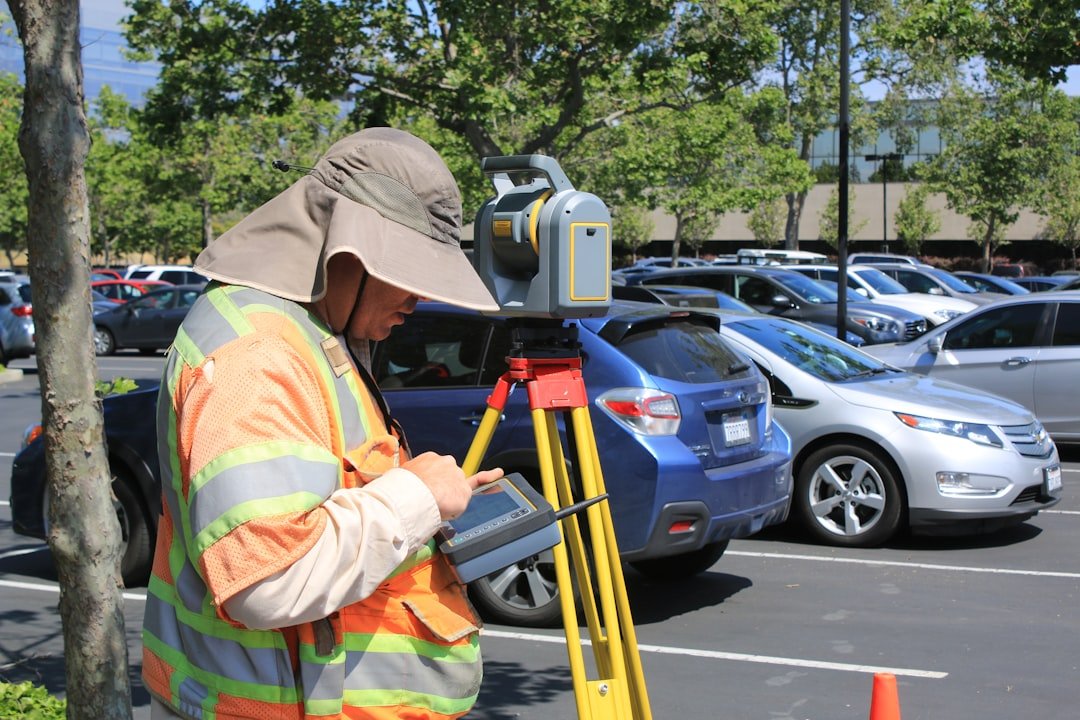
Unlocking the development potential land within your property can unlock significant financial rewards and enhance community infrastructure. Did you know that land transformed for development can increase its value by 30% or more? This statistic highlights the importance of understanding what constitutes development potential and how to effectively leverage it. Whether you own a parcel in a suburban area ripe for residential housing or a tract in a growing urban center waiting for commercial investment, recognizing and maximizing your land's potential is crucial. In this blog post, we will explore key strategies and insights that can guide you through assessing your land, collaborating with experts, and executing a successful development plan. Get ready to unlock your land's value and shape its future for optimal growth and profitability.
Understanding Development Potential Land
Development potential land refers to the capability of a parcel of land to be transformed into a space that can generate value through construction, agriculture, or other land uses. Recognizing the full potential of your land is crucial for any landowner looking to maximize their investment. Here, we delve into what constitutes development potential land and why it's essential to identify and assess this potential effectively.
Definition of Development Potential Land
Development potential is influenced by various factors, including location, zoning regulations, and market demand. Understanding these elements is key for landowners to make informed decisions about their properties.
Importance of Identifying Development Potential
Identifying the development potential of land can dramatically affect its market value and utility. Some benefits of recognizing this potential include:
-
Increased Property Value: By knowing the development possibilities, landowners can negotiate better sale prices.
-
Strategic Planning: Understanding potential uses aids in long-term planning and investment strategies.
-
Opportunity for Partnerships: Landowners can collaborate with developers who are interested in the site’s potential.
Key Factors Influencing Development Potential
Several factors can significantly impact the development potential of land. Key considerations include:
-
Location: Proximity to urban centers, public transport, and amenities greatly enhances attractiveness.
-
Zoning Laws: Compliance with local zoning regulations is crucial and can determine the types of developments permitted.
-
Environmental Factors: Assessing environmental constraints, such as flood zones or protected areas, is essential for sustainable development.
In conclusion, understanding the factors that contribute to development potential land is imperative for landowners aiming to leverage their property effectively. By recognizing and assessing these elements, landowners stand to optimize the value of their investments for future developments.
For more information on land assessment, visit CBRE, a leading firm in commercial real estate services.
Assessing Your Land for Development
Once you've identified that your land has development potential, the next step is to conduct a thorough assessment. This evaluation will help you understand its viability for various development projects and prepare you for engagement with potential partners.
Land Use Regulations and Zoning Laws
Understanding local land use regulations and zoning laws is critical when considering development potential land. These regulations dictate what can and cannot be built on your land. Not knowing these rules can lead to costly mistakes or delays.
-
Zoning Classification: Identify the zoning classification—residential, commercial, mixed-use, etc.—to understand permitted uses.
-
Permits and Approvals: Familiarize yourself with the necessary permits and the approval process in your locality.
-
Future Zoning Changes: Stay informed about any proposed changes in zoning that may impact land use in the future.
Environmental Considerations
Another essential aspect to consider when assessing development potential is the environmental factors affecting the land. Thorough environmental assessments are not only a regulatory requirement but also crucial for sustainable development practices.
-
Topography: Examine the land's terrain and how it may affect construction and use.
-
Soil Quality: Assess soil types, as this influences the type of buildings and infrastructure that can be supported.
-
Protected Areas: Understand if there are any local conservation areas or habitats that restrict development.
Infrastructure and Accessibility
The existing infrastructure and accessibility of your land can significantly enhance its development potential. Key components include:
-
Road Access: Evaluate the condition and capacity of roads leading to your property.
-
Utilities Availability: Ensure access to necessary utilities such as water, electricity, and sewage.
-
Public Transport: Proximity to public transportation options can increase appeal to prospective buyers or tenants.
In summary, a thorough assessment of your property for development potential land is foundational in planning your development strategy. By understanding and evaluating these key components, you pave the way for more strategic decisions that can lead to successful land development.
For further insights into land use and regulatory standards, visit JLL, a global leader in real estate services.
Collaborative Approach to Unlocking Development Potential
Unlocking the development potential land requires a strategic and collaborative approach. Engaging with various stakeholders can significantly enhance the likelihood of successful development outcomes. Below are key elements of a collaborative approach.
Working with Land Planning Experts
Land planning experts can provide invaluable insight and guidance throughout the development process. They help evaluate the feasibility of your project and navigate any challenges you may face.
-
Site Analysis: Experts conduct comprehensive site analyses to identify opportunities and constraints.
-
Design and Planning: Assistance with design solutions that maximize land use while complying with regulatory standards.
-
Cost Estimation: Professional planners can give you accurate cost insights, enabling better financial decisions.
Role of Strategic Partnerships
Forming partnerships can be beneficial for landowners looking to enhance the development potential of their land. Collaborating with developers, investors, and local agencies can yield fruitful results.
-
Shared Expertise: Each partner can bring unique insights, enhancing project viability.
-
Resource Pooling: Joint ventures can lead to better resource allocation and financial support.
-
Market Reach: Partners can leverage each other's networks for more effective marketing and sales strategies.
Engaging with Local Authorities
Establishing a relationship with local authorities is essential for navigating zoning laws and community concerns. Being proactive in this area can help ease the development process.
-
Early Communication: Discussing your intentions early on can help identify potential issues.
-
Public Meetings: Attend community meetings to understand local sentiments and address concerns.
-
Feedback Loop: Keeping local authorities informed can foster goodwill and facilitate smoother approvals.
In conclusion, a collaborative approach is indispensable for maximizing the development potential land. By leveraging expert guidance, strategic partnerships, and local authority engagement, landowners can significantly increase their chances of a successful development project.
For more resources on development collaboration, visit Cushman & Wakefield, a prominent global real estate services firm.
Financial Aspects of Development Potential
Understanding the financial dimensions of development potential land is vital for landowners aiming to maximize their real estate investments. This section explores the key financial considerations involved in land development, including upfront costs, market trends, and strategies for mitigating risks.
Upfront Costs vs. Long-term Gains
When considering development potential, it’s crucial to weigh upfront costs against potential long-term gains. While initial investments may seem high, the returns can be significant if the land is developed judiciously.
-
Initial Investments: This may include costs for land acquisition, environmental assessments, legal fees, and permits.
-
Project Financing: Consider options for financing your project, including loans, partnerships, and private investors.
-
Return on Investment (ROI): Calculate estimated ROI based on potential development ideas to understand profitability.
Understanding Market Trends
Keeping abreast of market trends can significantly influence the development potential land. Understanding demand in the real estate market helps landowners make informed decisions regarding construction activities.
-
Market Research: Conduct thorough market research to gauge demand for residential, commercial, or mixed-use developments.
-
Timing: Identify the best times to enter the market and sell properties based on economic forecasts.
-
Competitive Analysis: Assess what similar properties are being sold for in the area to position your land competitively.
Mitigating Risks in Land Development
Land development inherently involves risks, and it is crucial to identify and mitigate these risks effectively to safeguard investments.
-
Feasibility Studies: Conduct feasibility studies to evaluate financial and operational aspects before starting your project.
-
Insurance Policies: Consider appropriate insurance coverage to protect against unforeseen circumstances.
-
Diversification: Spread investments across different types of developments to reduce risk exposure.
In summary, understanding the financial aspects of development potential land helps landowners make strategic, informed decisions. By accurately assessing costs, staying alert to market trends, and employing risk mitigation strategies, developers can maximize their investment outcomes.
For a comprehensive overview of real estate finance, visit The Related Companies, a major player in the real estate sector.
Strategies to Maximize Development Potential
To fully unlock the development potential land, landowners should adopt strategic approaches that enhance the viability and attractiveness of their properties. This section outlines effective strategies for maximizing land value through innovative solutions and effective marketing.
Innovative Land Use Solutions
Exploring innovative land use solutions can significantly elevate the development potential of a property. By thinking outside the box, landowners can identify unique opportunities that align with market demands.
-
Mixed-Use Developments: Combining residential, commercial, and recreational spaces can appeal to a broader range of buyers or tenants.
-
Sustainable Practices: Implementing eco-friendly features and sustainable design not only attracts environmentally conscious consumers but can also qualify for incentives.
-
Community Amenities: Adding elements like parks, playgrounds, or walking trails can enhance the appeal and functionality of the land, promoting community integration.
Marketing Land Effectively
Effective marketing strategies are essential for showcasing the development potential land to prospective buyers or investors. Tailoring your marketing approach can ensure maximum visibility and engagement.
-
Professional Visualization: Utilizing high-quality visual content, such as 3D renderings and drone footage, can help illustrate the land's potential.
-
Targeted Online Campaigns: Leverage social media platforms and real estate websites to target specific demographics that align with the desired development.
-
Networking Events: Attend local real estate and community events to promote your land and connect with potential investors and buyers.
Leveraging Technology in Land Development
In today's digital landscape, technology plays a pivotal role in enhancing the development potential land. Embracing technological advancements can streamline processes and improve outcomes.
-
Geographic Information Systems (GIS): Utilizing GIS for spatial analysis can help identify the most suitable uses for your land based on various factors.
-
Project Management Tools: Implementing project management software can enhance collaboration among stakeholders, ensuring timely execution.
-
Virtual Reality (VR): Using VR technology for walkthroughs can provide potential buyers or partners with an immersive experience of the proposed development.
In conclusion, implementing these strategies can significantly enhance the development potential land, making it more attractive to buyers and investors. By embracing innovation, marketing effectively, and leveraging technology, landowners can maximize their property's value and achieve successful development outcomes.
For further resources on real estate strategies, visit Keller Williams Realty, a prominent global real estate company.
Conclusion: The Path Forward for Landowners
As a landowner, understanding and maximizing the development potential land is crucial to unlocking the true value of your property. By embracing a strategic approach that encompasses assessment, collaboration, financial planning, and innovative strategies, you can ensure that your property reaches its fullest potential.
Embracing Opportunities in Development Potential
A proactive mindset is essential for recognizing and seizing opportunities within your land. Consider the following actions:
-
Stay Informed: Keep abreast of local market trends and changes in zoning regulations.
-
Continuous Learning: Attend workshops and seminars focusing on land development and real estate investment strategies.
-
Define Clear Objectives: Establish what you wish to accomplish with your land to guide your decisions effectively.
Importance of Professional Guidance
Navigating the complexities involved in land development is often challenging. Seeking professional assistance can provide valuable insights and expertise:
-
Consult with Land Planners: They can help assess your land's potential and guide the development process.
-
Engage Real Estate Agents: These professionals can assist in marketing your property and connecting you with potential buyers or investors.
-
Hire Legal Advisors: Legal experts can help you navigate regulatory requirements, ensuring compliance and minimizing risks.
Commitment to Collaboration for Success
Finally, foster an environment of collaboration among all stakeholders involved in the development process. Open communication can enhance relationships, ease tensions, and facilitate smoother project execution. Remember:
-
Maintain Transparency: Keep all parties informed about project goals and changes.
-
Value Input: Actively seek feedback from collaborators, investors, and local authorities.
-
Cultivate Networks: Build relationships with experts and other landowners to share insights and resources.
In summary, successful land development hinges on thorough assessment, strategic collaboration, and an unwavering commitment to maximizing potential. By taking these steps, landowners can confidently navigate the path forward and unlock the full benefits of their development potential land.
For more resources on effective land development practices, visit Colliers International, a global leader in real estate services.
What is development potential land?
Development potential land refers to the capability of a parcel of land to be transformed into productive spaces, whether for residential, commercial, or mixed-use development. Understanding this potential is essential for landowners seeking to maximize property value and capitalize on real estate opportunities.
How can I assess my land’s development potential?
Assessing your land’s development potential involves evaluating several factors, including zoning regulations, environmental considerations, and the availability of infrastructure. Engaging with land planners and conducting thorough market research can help you determine the viability of your land for various development projects.
What financial considerations should I keep in mind for land development?
When considering land development, it's crucial to understand both upfront costs and potential long-term gains. This includes expenses related to land acquisition, permits, and construction, as well as estimating the return on investment based on market trends and comparable properties.
Why is collaboration important in the development process?
Collaboration is vital in the development process as it brings together diverse expertise and resources. By working with land planners, investors, and local authorities, landowners can benefit from shared knowledge, streamline the approval process, and enhance the overall success of their development projects.
How can I market my land effectively for development?
To market your land effectively, utilize high-quality visuals, such as 3D renderings and drone footage, to showcase its potential. Target specific buyer demographics through online campaigns and attend local networking events to connect with potential investors and developers interested in your land.