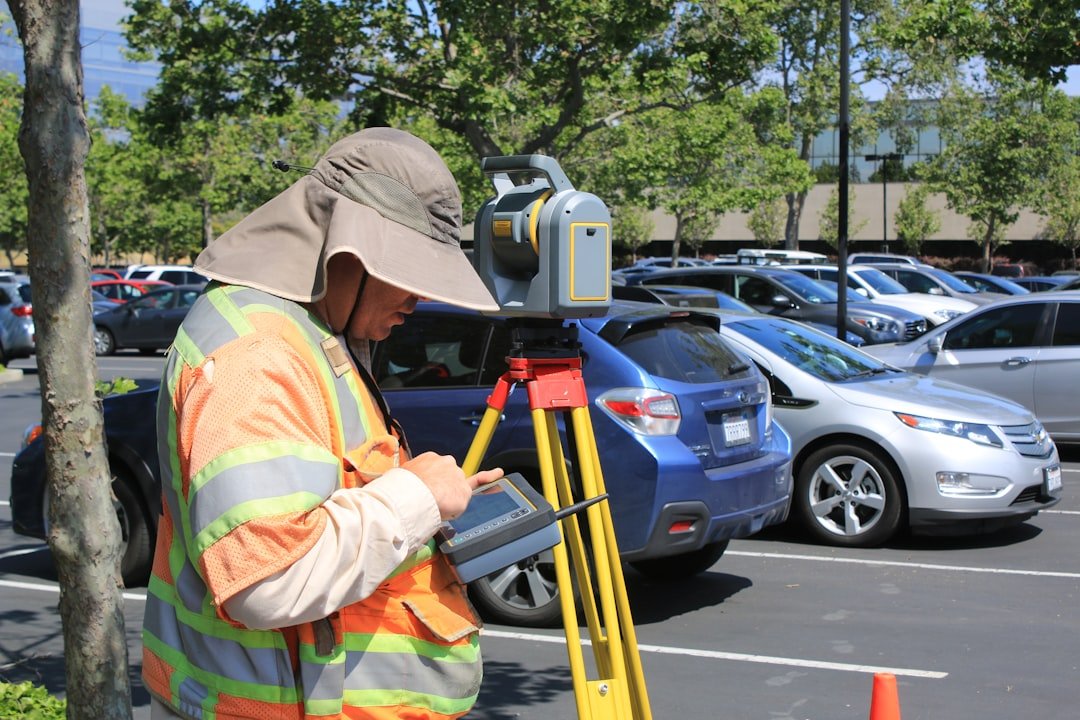
In recent years, land prices have surged dramatically across various regions, capturing the attention of economists, investors, and policymakers alike. This phenomenon is not merely a localized issue; it reflects broader economic trends and societal shifts that are reshaping the landscape of real estate. The rising cost of land has significant implications for housing affordability, urban development, and investment strategies.
As cities expand and populations grow, the demand for land continues to outpace supply, leading to escalating prices that can create barriers for potential homeowners and businesses alike. The surge in land prices is often viewed through the lens of supply and demand dynamics. However, this simplistic view fails to capture the complexity of the factors at play.
Various economic, demographic, and policy-related elements intertwine to create a multifaceted landscape where land values are influenced by a myriad of forces. Understanding these factors is crucial for stakeholders ranging from individual homebuyers to large-scale developers, as they navigate an increasingly competitive market characterized by rising costs and shifting priorities.
Economic Factors Contributing to the Spike
Interest Rates: A Key Driver of Land Prices
Low interest rates have historically encouraged borrowing, making it easier for individuals and businesses to invest in real estate. When financing is readily available, demand for land increases as more buyers enter the market, driving prices upward. Conversely, when interest rates rise, the cost of borrowing increases, which can dampen demand and stabilize or even reduce land prices.
Inflation’s Impact on Land Prices
Inflation also plays a critical role in shaping land prices. As the general price level of goods and services increases, so too does the cost of construction materials and labor. This inflationary pressure translates into higher costs for developers, who often pass these expenses onto consumers in the form of increased land prices. Additionally, inflation can erode purchasing power, leading to a situation where buyers are willing to pay more for land as they seek to invest in tangible assets that may retain value over time.
The Volatile Environment of Land Prices
The interplay between these economic factors creates a volatile environment where land prices can fluctuate dramatically based on broader economic conditions.
Impact of Population Growth on Land Prices

Population growth is a fundamental driver of land price increases, particularly in urban areas where space is limited. As more people move into cities in search of employment opportunities and a higher quality of life, the demand for housing and commercial space intensifies. This influx of residents creates competition for available land, leading to bidding wars that can significantly inflate prices.
For instance, cities like San Francisco and New York have experienced substantial price hikes due to their status as economic hubs that attract talent from across the globe. Moreover, population growth often leads to increased infrastructure development, which can further elevate land values. As cities expand to accommodate new residents, investments in transportation, schools, and public services enhance the desirability of certain areas.
This phenomenon is evident in suburban regions that have seen rapid development as families seek more affordable housing options outside urban centers. The resulting demand for land in these areas can lead to sharp price increases as developers rush to capitalize on the growing population.
Influence of Government Policies on Land Prices
Government policies play a pivotal role in shaping land prices through zoning regulations, tax incentives, and development approvals. Zoning laws dictate how land can be used—whether for residential, commercial, or industrial purposes—and can significantly impact its value. In areas where zoning is restrictive, land prices may remain high due to limited availability for development.
Conversely, regions with more flexible zoning regulations may see increased supply and potentially lower prices as developers are encouraged to build. Tax policies also influence land prices by affecting the overall cost of ownership. Property taxes can deter investment if they are perceived as excessively burdensome.
On the other hand, tax incentives aimed at encouraging development can stimulate demand for land by making it more financially attractive for developers to invest in certain areas. For example, Opportunity Zones in the United States were created to spur investment in economically distressed communities by offering tax benefits to investors. Such policies can lead to increased demand for land in targeted areas, driving up prices as developers seek to take advantage of these incentives.
Role of Speculation in Driving Land Prices
Speculation is another critical factor contributing to rising land prices. Investors often purchase land with the expectation that its value will increase over time due to various factors such as population growth or infrastructure development. This speculative behavior can create a self-fulfilling prophecy; as more investors buy up land in anticipation of future price increases, demand surges, leading to higher prices.
In some cases, this speculative activity can result in price bubbles that may eventually burst when market conditions change. The impact of speculation is particularly evident in rapidly growing markets where investors are eager to capitalize on emerging trends. For instance, tech hubs like Austin and Seattle have attracted significant investment from both domestic and international buyers looking to secure land before prices escalate further.
This influx of speculative capital can distort market dynamics, making it challenging for end-users—such as families seeking homes or businesses looking for commercial space—to compete with deep-pocketed investors.
Effects of Urbanization on Land Prices
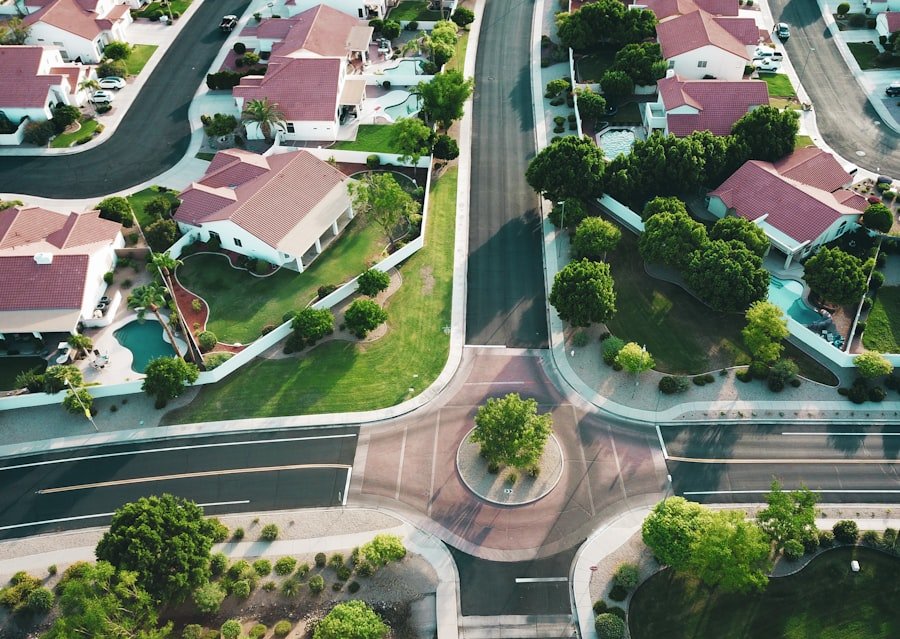
Urbanization in Developing Countries
This trend is particularly pronounced in developing countries where urbanization rates are accelerating rapidly. Cities like Lagos and Mumbai are experiencing unprecedented growth, leading to intense competition for limited land resources and driving prices higher.
Changing Land Utilization Patterns
The effects of urbanization extend beyond mere demand; they also influence how land is utilized. As cities become denser, there is a growing emphasis on vertical development—building upwards rather than outwards—to maximize space efficiency.
Increased Land Values and Infrastructure Development
This shift can lead to increased land values as developers seek to capitalize on the limited availability of space for new construction projects. Additionally, urbanization often brings about improvements in infrastructure and public services, further enhancing the desirability of urban land and contributing to rising prices.
Environmental and Geographic Factors Affecting Land Prices
Environmental and geographic factors also play a significant role in determining land prices. The location of a parcel of land can greatly influence its value based on proximity to amenities such as schools, parks, shopping centers, and transportation hubs. For example, properties located near waterfronts or scenic views typically command higher prices due to their desirability.
Conversely, areas prone to natural disasters—such as flood zones or regions with high seismic activity—may experience lower land values due to perceived risks. Additionally, environmental regulations can impact land prices by restricting development in certain areas to protect natural resources or ecosystems. For instance, wetlands or protected habitats may be off-limits for construction, limiting the supply of developable land and driving up prices elsewhere.
As climate change continues to pose challenges globally, these environmental considerations are becoming increasingly important in assessing land value and investment potential.
Future Outlook for Land Prices
Looking ahead, the future outlook for land prices remains uncertain but is likely influenced by several key trends. As remote work becomes more prevalent due to technological advancements and changing workplace dynamics, there may be shifts in demand from urban centers to suburban or rural areas. This could lead to price adjustments as buyers seek more affordable options outside traditional metropolitan regions.
Moreover, ongoing economic factors such as inflation and interest rates will continue to shape the landscape of land pricing. If inflation persists or interest rates rise significantly, we may see a cooling effect on demand that could stabilize or even reduce prices in certain markets. However, persistent population growth and urbanization trends suggest that demand will remain strong in many areas.
Ultimately, understanding the complex interplay of these factors will be crucial for stakeholders navigating the evolving landscape of land prices. Whether one is an investor looking for opportunities or a family searching for a home, being aware of these dynamics will be essential in making informed decisions in an increasingly competitive market.