
The land sales market in the UK is a dynamic and multifaceted sector influenced by various factors, including economic conditions, local demand, and government policies. Understanding these elements is crucial for anyone looking to sell land. The market can vary significantly from one region to another; for instance, land in urban areas tends to command higher prices due to demand for housing and commercial development, while rural land may be valued differently based on agricultural potential or recreational use.
The Land Registry provides valuable data on recent sales, which can help sellers gauge current market trends and set realistic expectations for their property. In recent years, the UK has seen fluctuations in land prices, driven by factors such as Brexit, changes in planning regulations, and shifts in buyer preferences. For example, the demand for residential land has surged in certain areas as the government pushes for increased housing development to address the ongoing housing crisis.
Conversely, agricultural land has faced challenges due to changing farming practices and economic pressures on the agricultural sector. Sellers must stay informed about these trends and consider how they might impact their land’s value and appeal to potential buyers.
Key Takeaways
- Understanding the market for land sales in the UK is crucial for a successful sale
- Preparing your land for sale involves proper maintenance and presentation to attract potential buyers
- Finding the right buyer for your land requires thorough research and understanding of their needs and preferences
- Marketing your land for a quick sale involves utilizing various channels and strategies to reach a wide audience
- Navigating legal and financial considerations is essential to ensure a smooth and successful sale of your land
Preparing Your Land for Sale: Tips and Tricks
Preparing your land for sale is a critical step that can significantly influence the final sale price and the speed of the transaction. One of the first steps is to ensure that the land is clean and free of debris. This not only enhances its visual appeal but also allows potential buyers to envision how they might use the space.
If there are any structures on the property, consider whether they add value or detract from it. In some cases, it may be beneficial to invest in minor repairs or renovations to make the property more attractive. Another important aspect of preparation is gathering all relevant documentation related to the land.
This includes title deeds, planning permissions, and any environmental assessments that may have been conducted. Having this information readily available can streamline the selling process and instill confidence in potential buyers. Additionally, consider obtaining a professional land survey to clarify boundaries and identify any easements or encroachments that could complicate the sale.
By addressing these details upfront, sellers can avoid potential disputes later on and present a more compelling case to buyers.
Finding the Right Buyer for Your Land
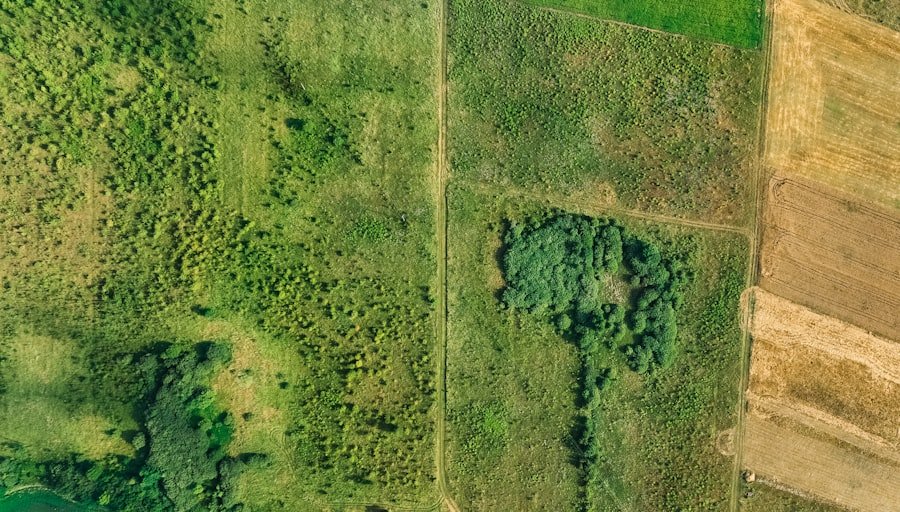
Identifying the right buyer for your land is essential for achieving a successful sale. The type of buyer you attract will largely depend on the characteristics of your property. For instance, if you are selling agricultural land, your target audience may include farmers or agricultural investors looking to expand their operations.
On the other hand, if your land is located in a desirable residential area, you may want to focus on developers or individuals seeking to build their dream homes. Networking within local real estate circles can be an effective way to find potential buyers. Engaging with real estate agents who specialize in land sales can provide valuable insights into current market conditions and help you connect with interested parties.
Additionally, online platforms dedicated to land sales can broaden your reach, allowing you to showcase your property to a wider audience. Utilizing social media channels can also be beneficial; sharing information about your land on platforms like Facebook or Instagram can attract attention from prospective buyers who may not be actively searching through traditional channels.
Marketing Your Land for a Quick Sale
| Metrics | Data |
|---|---|
| Number of potential buyers reached | 500 |
| Number of inquiries received | 50 |
| Number of property viewings scheduled | 20 |
| Number of offers received | 5 |
| Time taken to sell the land | 3 months |
Effective marketing is crucial for facilitating a quick sale of your land. High-quality photographs are essential; they should capture the property’s best features and provide a clear representation of its size and layout. Consider hiring a professional photographer or drone operator to create stunning aerial shots that highlight the land’s location and surrounding environment.
Additionally, crafting a compelling description that outlines the unique selling points of your property can help draw in potential buyers. Utilizing multiple marketing channels can also enhance visibility. Listing your property on popular real estate websites is a must, but don’t overlook local newspapers or community bulletin boards where you might reach interested buyers who prefer traditional methods.
Hosting an open house or site visit can provide an opportunity for potential buyers to experience the land firsthand, allowing them to visualize its potential uses. Engaging with local community groups or forums can also help spread the word about your sale, tapping into networks that may have a vested interest in acquiring land in your area.
Navigating Legal and Financial Considerations
Selling land involves navigating a complex landscape of legal and financial considerations that can significantly impact the transaction process. One of the first steps is ensuring that you have clear title to the property; any disputes over ownership can derail a sale. It’s advisable to consult with a solicitor who specializes in property law to review all documentation and ensure compliance with local regulations.
This includes understanding any zoning laws that may affect how the land can be used, as well as any restrictions that might be in place. Financially, sellers should be aware of potential costs associated with selling land, including capital gains tax if applicable. It’s essential to keep accurate records of any improvements made to the property, as these may affect tax liabilities.
Additionally, consider obtaining an independent valuation of your land to set a competitive asking price while ensuring you are not undervaluing your asset. Engaging with financial advisors can provide clarity on how best to structure the sale and manage any proceeds effectively.
Negotiating the Sale of Your Land

Negotiation is a critical phase in selling land, where both parties aim to reach an agreement that satisfies their respective interests. Understanding your bottom line—the minimum price you are willing to accept—is essential before entering negotiations. This figure should take into account not only your financial needs but also market conditions and comparable sales in your area.
Being prepared with data and examples can strengthen your position during discussions. Effective communication is key during negotiations. Listen carefully to potential buyers’ concerns and be open to their suggestions; this can foster goodwill and lead to a more amicable agreement.
It’s also important to remain flexible; sometimes, non-monetary terms such as extended closing dates or specific contingencies can make a deal more appealing without significantly impacting your financial outcome. Documenting all agreements clearly will help prevent misunderstandings later on.
Closing the Deal: Finalizing the Sale of Your Land
The closing process is where all efforts culminate into a formal transfer of ownership. This stage typically involves several steps, including finalizing contracts and ensuring all legal requirements are met. A solicitor will play a crucial role here, reviewing all documents related to the sale and ensuring that both parties fulfill their obligations as outlined in the purchase agreement.
This includes confirming that any necessary inspections or surveys have been completed satisfactorily. Once all conditions are met, both parties will sign the transfer deed, which officially transfers ownership from seller to buyer. At this point, it’s essential to ensure that payment arrangements are clear; whether through bank transfer or other means, confirming receipt of funds is critical before handing over possession of the property.
After closing, it’s advisable to notify relevant authorities such as the Land Registry to update ownership records officially.
Post-Sale Considerations: What to Do After Selling Your Land
After successfully selling your land, there are several important considerations that sellers should keep in mind. First and foremost is managing any financial proceeds from the sale effectively. Depending on individual circumstances, this may involve reinvesting in other properties, paying off debts, or setting aside funds for future investments.
Consulting with financial advisors can help ensure that you make informed decisions regarding these proceeds. Additionally, sellers should consider their ongoing responsibilities post-sale. If there were any agreements made regarding access rights or easements during negotiations, it’s important to document these clearly and maintain communication with the new owner as needed.
Finally, reflecting on the selling process can provide valuable insights for future transactions; understanding what worked well and what could be improved will enhance your approach should you decide to sell more land in the future or engage in other real estate ventures.