
The land development process in the UK is a multifaceted journey that involves various stages, each requiring careful consideration and planning. At its core, land development encompasses the transformation of raw land into a usable form, whether for residential, commercial, or mixed-use purposes. This process begins with an understanding of the local market dynamics, zoning laws, and environmental regulations that govern land use.
Developers must familiarize themselves with the specific characteristics of the land in question, including its topography, soil quality, and proximity to essential services such as schools, hospitals, and transportation links. In the UK, the development process is often initiated by conducting feasibility studies to assess the viability of a project. These studies typically involve market analysis, cost estimation, and risk assessment.
Developers must also engage with local authorities early in the process to gauge interest and gather insights on potential obstacles. The importance of community engagement cannot be overstated; local residents and stakeholders often have a significant influence on the planning process. Understanding the socio-political landscape surrounding a development project is crucial for ensuring a smoother path through the various regulatory hurdles that may arise.
Key Takeaways
- Understanding the land development process is crucial for successful development projects in the UK.
- Assessing the potential of your land for development involves considering factors such as location, size, and zoning regulations.
- Navigating planning permission and regulations requires a thorough understanding of local laws and regulations.
- Negotiating with developers requires careful consideration of profit maximization strategies.
- Considering different types of development projects can help maximize the potential of your land.
Assessing the Potential of Your Land for Development
Physical Characteristics
Physical characteristics such as size, shape, and access to infrastructure play a critical role in determining how land can be utilized. For instance, irregularly shaped plots may pose challenges for construction and layout, while land with existing access to roads and utilities can significantly reduce development costs.
Economic Factors
Economic factors are equally important in assessing land potential. Developers should analyze local market trends, including demand for housing or commercial space, average property prices, and demographic shifts. For example, areas experiencing population growth may present lucrative opportunities for residential developments, while urban centers may be more suitable for commercial projects.
Understanding the Competitive Landscape
Additionally, understanding the competitive landscape is vital; identifying existing developments and their occupancy rates can provide insights into market saturation and potential profitability.
Navigating Planning Permission and Regulations

Navigating the labyrinth of planning permission and regulations is one of the most challenging aspects of land development in the UK. The planning system is designed to ensure that developments align with local policies and contribute positively to community needs. The first step in this process is to submit a planning application to the local planning authority (LPA).
This application must include detailed plans and documentation outlining the proposed development’s scope, design, and impact on the surrounding area. The LPA will assess the application against various criteria, including compliance with local development plans, environmental considerations, and community impact. Public consultations are often part of this process, allowing local residents to voice their opinions and concerns.
Developers must be prepared to address any objections raised during these consultations, as they can significantly influence the outcome of the application. Understanding the nuances of local planning policies is essential; what may be permissible in one area could be met with resistance in another due to differing community priorities or environmental considerations.
Negotiating with Developers: Tips for Maximizing Profit
| Tip | Description |
|---|---|
| Understand the Developer’s Perspective | Recognize the developer’s goals and constraints to find mutually beneficial solutions. |
| Research Market Rates | Know the average rates for developer services in your area to negotiate fair prices. |
| Define Clear Scope of Work | Provide detailed project requirements to avoid scope creep and additional costs. |
| Set Realistic Deadlines | Agree on achievable project timelines to avoid rushed work and quality compromises. |
| Communicate Openly | Establish transparent communication channels to address concerns and avoid misunderstandings. |
When it comes to negotiating with developers, landowners must adopt a strategic approach to maximize their profit potential. One key aspect of successful negotiation is understanding the developer’s perspective. Developers are often focused on minimizing costs while maximizing returns on investment.
By presenting a well-researched case that highlights the unique selling points of the land—such as its location, accessibility, and potential for high-density development—landowners can create a compelling argument for higher offers. Additionally, it is beneficial for landowners to remain flexible during negotiations. While it is essential to have a clear idea of one’s bottom line, being open to different types of agreements can lead to mutually beneficial outcomes.
For instance, landowners might consider options such as joint ventures or profit-sharing arrangements that allow them to retain some level of involvement in the project while still securing upfront payments. Establishing a rapport with developers can also facilitate smoother negotiations; building trust can lead to more favorable terms and conditions.
Considering Different Types of Development Projects
The type of development project pursued can significantly influence both the timeline and profitability of a land development venture. In the UK, common types of development projects include residential housing estates, commercial properties, mixed-use developments, and industrial parks. Each type comes with its own set of challenges and opportunities.
For instance, residential developments often require extensive community engagement due to their direct impact on local populations, while commercial projects may necessitate a focus on accessibility and visibility. Mixed-use developments have gained popularity in recent years as they offer a blend of residential, commercial, and recreational spaces within a single project. This approach not only maximizes land use but also fosters vibrant communities that cater to diverse needs.
However, these projects can be complex due to the need to balance different stakeholder interests and regulatory requirements. Understanding the specific demands and market conditions associated with each type of development is crucial for making informed decisions that align with both financial goals and community needs.
Maximizing Land Value through Strategic Planning
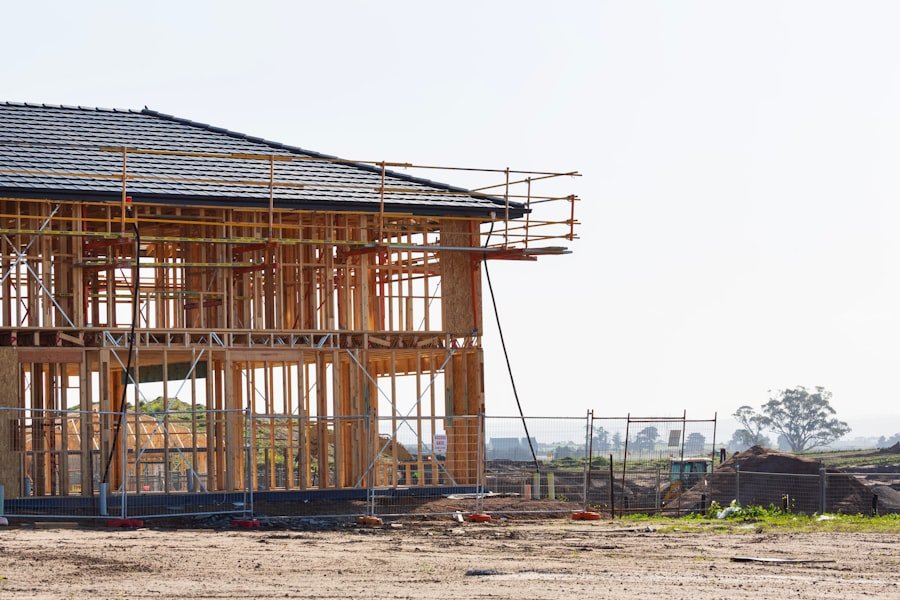
Strategic planning is essential for maximizing land value in any development project. This involves not only understanding current market conditions but also anticipating future trends that could affect property values. For example, areas earmarked for infrastructure improvements—such as new transport links or schools—often see an increase in land value as these enhancements make them more attractive to developers and buyers alike.
Landowners should also consider zoning regulations when planning their projects. By exploring options for rezoning or seeking variances that allow for higher-density developments or alternative uses, they can unlock additional value from their properties. Engaging with urban planners or consultants who specialize in land use can provide valuable insights into how best to navigate these processes while ensuring compliance with local regulations.
Tax Implications and Financial Considerations
Understanding tax implications is a critical component of any land development strategy in the UK. Various taxes can affect both landowners and developers throughout the development process. For instance, capital gains tax (CGT) may apply when selling land at a profit, while value-added tax (VAT) could impact construction costs depending on how transactions are structured.
It is essential for landowners to consult with tax professionals who can provide tailored advice based on their specific circumstances. Additionally, financial considerations extend beyond taxes; securing funding for development projects often requires careful planning and negotiation with financial institutions or investors. Landowners should explore various financing options available in the market, including traditional bank loans, private equity investments, or government grants aimed at promoting sustainable development initiatives.
A well-structured financial plan not only ensures adequate funding but also helps mitigate risks associated with fluctuating market conditions.
Hiring the Right Professionals for a Successful Sale
The complexity of land development necessitates collaboration with various professionals who bring specialized expertise to the table. Hiring the right team can significantly enhance the likelihood of a successful sale or development project. Key professionals include planning consultants who understand local regulations and can assist with navigating the planning process; surveyors who provide accurate assessments of land value; and architects who can design functional and aesthetically pleasing developments.
Moreover, engaging legal advisors is crucial for ensuring compliance with all contractual obligations and regulatory requirements throughout the development process. Real estate agents specializing in land sales can also provide valuable insights into market trends and help negotiate favorable terms during transactions. By assembling a competent team of professionals who understand both the technical aspects of development and the nuances of local markets, landowners can position themselves for success in an increasingly competitive landscape.