
Selling land without the assistance of a real estate agent can be a daunting yet rewarding endeavor. The first step in this process is to familiarize oneself with the intricacies involved in a direct sale. Unlike traditional real estate transactions, where agents handle negotiations, marketing, and paperwork, selling land independently requires a proactive approach.
Sellers must take on the responsibility of managing every aspect of the sale, from pricing to closing. This autonomy can be liberating, allowing sellers to retain more of their profits, but it also necessitates a thorough understanding of the market and legal requirements. One of the primary advantages of selling land without an agent is the potential for cost savings.
Real estate agents typically charge a commission that can range from 5% to 6% of the sale price, which can significantly reduce the seller’s profit margin. By eliminating this expense, sellers can set a more competitive price or pocket the additional funds. However, this financial benefit comes with the caveat that sellers must be prepared to invest time and effort into learning about the market, understanding buyer motivations, and navigating the complexities of property transactions.
This self-directed approach can lead to a more personalized selling experience, but it requires diligence and commitment.
Key Takeaways
- Selling land without an agent requires understanding the process and taking on the responsibilities typically handled by an agent.
- Researching the market value of your land is crucial for setting a competitive and attractive price for potential buyers.
- Preparing your land for sale involves addressing any issues with the property, such as boundary disputes or environmental concerns.
- Advertising and marketing your land effectively can attract more potential buyers and increase the likelihood of a successful sale.
- Handling inquiries and negotiations requires clear communication and a willingness to negotiate terms that are favorable to both parties.
Researching the Market Value of Your Land
Determining the market value of your land is a critical step in the selling process. Accurate pricing is essential; overpricing can deter potential buyers, while underpricing may lead to significant financial loss. To establish a fair market value, sellers should begin by conducting comprehensive research on comparable properties in the area.
This involves analyzing recent sales data for similar parcels of land, taking into account factors such as size, location, zoning regulations, and any unique features that may enhance or detract from the property’s value. In addition to examining comparable sales, sellers should consider engaging with local real estate professionals or appraisers for insights into current market trends. These experts can provide valuable information regarding demand in the area, potential future developments that may affect land values, and any economic factors influencing buyer behavior.
Online resources such as real estate websites and local government property records can also be instrumental in gathering data. By synthesizing this information, sellers can arrive at a competitive price point that reflects both the intrinsic value of their land and current market conditions.
Preparing Your Land for Sale

Once a price has been established, preparing the land for sale is the next crucial step. This preparation involves not only physical improvements but also ensuring that all necessary documentation is in order. First impressions matter significantly in real estate; therefore, enhancing the land’s appeal can make a substantial difference in attracting potential buyers.
This might include clearing debris, mowing overgrown grass, or even conducting minor landscaping to showcase the property’s potential. Additionally, sellers should consider obtaining a survey of the land if one is not already available. A professional survey can provide prospective buyers with essential information regarding property boundaries and any easements or encroachments that may exist.
Furthermore, having clear documentation regarding zoning regulations and any restrictions on land use can instill confidence in buyers and streamline the decision-making process. By presenting a well-maintained and clearly defined property, sellers can enhance their chances of securing a favorable sale.
Advertising and Marketing Your Land
| Advertising and Marketing Your Land | Metrics |
|---|---|
| Website Traffic | Number of visitors to your land listing page |
| Conversion Rate | Percentage of visitors who take the desired action (e.g. contacting you for more information) |
| Social Media Engagement | Likes, shares, and comments on your land listing posts |
| Lead Generation | Number of inquiries or leads generated from your marketing efforts |
| ROI | Return on investment from your advertising and marketing expenses |
Effective advertising and marketing strategies are vital components of selling land without an agent. In today’s digital age, leveraging online platforms can significantly expand a seller’s reach. Listing the property on popular real estate websites such as Zillow or Realtor.com can attract a wide audience of potential buyers.
Additionally, utilizing social media platforms like Facebook and Instagram allows sellers to showcase their land through engaging visuals and targeted advertisements. Beyond online listings, traditional marketing methods should not be overlooked. Creating eye-catching signage on the property itself can draw attention from passersby who may be interested in purchasing land in the area.
Networking within local community groups or attending real estate investment meetings can also yield valuable connections and potential buyers. Crafting a compelling narrative about the land—highlighting its unique features, potential uses, and surrounding amenities—can further entice interested parties. A well-rounded marketing strategy that combines both digital and traditional methods will maximize exposure and increase the likelihood of a successful sale.
Handling Inquiries and Negotiations
Once marketing efforts are underway, sellers will inevitably begin receiving inquiries from interested buyers. Responding promptly and professionally to these inquiries is crucial in maintaining buyer interest. Sellers should be prepared to answer questions regarding zoning laws, property boundaries, access to utilities, and any other relevant details that may influence a buyer’s decision.
Providing clear and accurate information not only builds trust but also positions the seller as knowledgeable and credible. Negotiation is another critical aspect of selling land without an agent. Sellers should enter negotiations with a clear understanding of their bottom line while remaining open to reasonable offers.
It is essential to approach negotiations with flexibility; being too rigid can alienate potential buyers. Sellers should also be prepared to justify their asking price by referencing comparable sales data and highlighting unique features of their property. Effective negotiation often involves finding common ground where both parties feel satisfied with the outcome.
This skillful balancing act can lead to successful transactions that meet both seller and buyer expectations.
Legal Considerations and Documentation
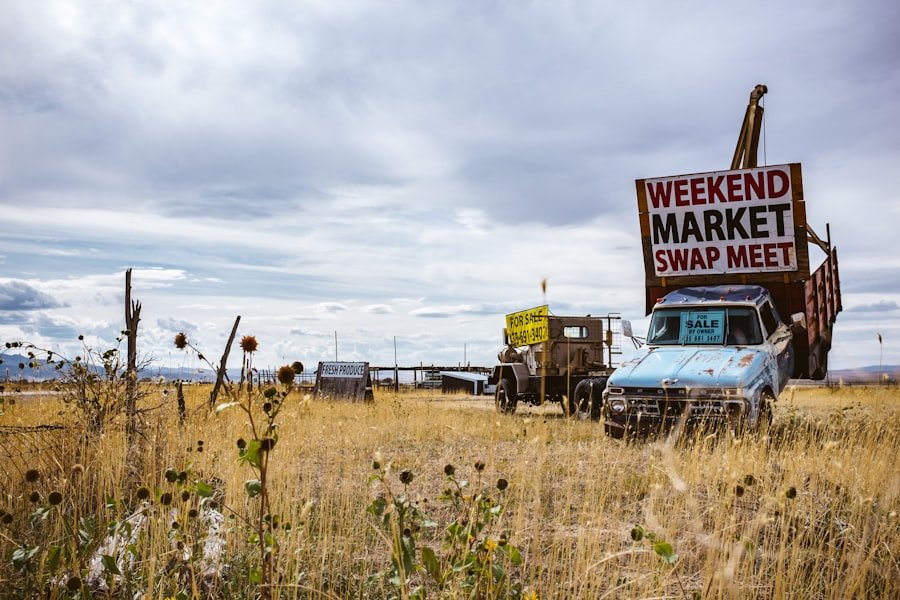
Navigating the legal landscape is one of the most complex aspects of selling land independently. Sellers must ensure that all necessary documentation is prepared accurately and in compliance with local laws. This includes drafting a purchase agreement that outlines the terms of the sale, including price, contingencies, and any disclosures required by law.
It is advisable for sellers to consult with a real estate attorney to ensure that all legal documents are properly executed and that they understand their rights and obligations throughout the transaction. Additionally, sellers must be aware of any local regulations that may impact the sale process. For instance, certain jurisdictions may require specific disclosures regarding environmental hazards or property conditions.
Failing to comply with these regulations can lead to legal complications down the line. Furthermore, understanding tax implications related to the sale of land is essential; sellers should consult with tax professionals to ensure they are aware of any capital gains taxes or other financial responsibilities that may arise from the transaction.
Closing the Sale
The closing process marks the final step in selling land without an agent and involves several critical tasks that must be completed before ownership is transferred to the buyer. Typically, this process includes finalizing financing arrangements if applicable, conducting a title search to confirm ownership rights, and ensuring that all necessary inspections have been completed satisfactorily. Sellers should work closely with title companies or attorneys to facilitate this process smoothly.
During closing, both parties will review and sign various documents, including the deed transfer and settlement statement. It is essential for sellers to ensure that all terms agreed upon during negotiations are accurately reflected in these documents. Once all paperwork is signed and funds are exchanged, ownership officially transfers to the buyer.
Sellers should also ensure that they provide any necessary documentation related to property taxes or assessments during this stage to avoid future disputes.
Post-Sale Responsibilities and Considerations
After successfully closing the sale of their land, sellers must remain aware of certain post-sale responsibilities and considerations. One immediate concern is ensuring that all financial obligations related to the property are settled; this includes paying off any outstanding taxes or liens that may have existed prior to the sale. Failure to address these issues could result in complications for both parties involved.
Additionally, sellers should consider how they will handle any remaining personal items or equipment left on the property after closing. It is advisable to communicate clearly with buyers regarding what is included in the sale to avoid misunderstandings later on. Finally, reflecting on the overall selling experience can provide valuable insights for future transactions or for others considering selling land independently.
By documenting lessons learned throughout this process, sellers can better prepare themselves for any future endeavors in real estate transactions without an agent’s assistance.
If you are considering selling land without a real estate agent in the UK, you may want to read this article on { if ( window?.ea11yWidget?.widget?.open ) { window.ea11yWidget.widget.open(); } } ); }; const waitingLimit = 30; let retryCounter = 0; const waitForElementorPro = () => { return new Promise( ( resolve ) => { const intervalId = setInterval( () => { if ( retryCounter === waitingLimit ) { resolve( null ); } retryCounter++; if ( window.elementorFrontend && window?.elementorFrontend?.utils?.urlActions ) { clearInterval( intervalId ); resolve( window.elementorFrontend ); } }, 100 ); // Check every 100 milliseconds for availability of elementorFrontend }); }; waitForElementorPro().then( () => { registerAllyAction(); });